

-
المنتجات
قائمة سريعة
- الحل
- منصة الطاقة
- المشاريع
- من نحن
- الخدمات والدعم
- تواصل معنا
- الإعلام
Industry Insights
Nov. 02, 2026
Global energy markets are becoming increasingly complex.
In different regions, energy users face very different challenges. Mature markets are placing higher demands on efficiency, system stability and intelligent energy management. Meanwhile, many developing and off-grid regions are dealing with fragmented energy access, unstable grids and scenario-specific power supply challenges.
Under these conditions, a standalone energy storage system cannot solve every problem.
A battery system can store and release energy. Solar PV can generate electricity. A diesel generator can provide backup power.
But when these assets operate independently, the overall energy system remains fragmented.
The real challenge is no longer simply about installing more energy equipment.
It is about how different energy assets can work together.
This is where intelligent microgrids become increasingly important.
A smart microgrid is not simply a collection of PV panels, energy storage systems and generators connected to the same site.
Its real value comes from coordination.
By integrating distributed generation, energy storage, utility power, backup generation and loads into one coordinated system, a microgrid can make energy decisions based on real operating conditions.
For example:
When solar generation is available, how should the energy be used?
When should the battery charge or discharge?
When should the system rely on the utility grid?
When should backup generation be activated?
How should critical loads be protected during grid interruptions?
These decisions cannot always be handled efficiently by individual devices operating independently.
An intelligent microgrid creates the foundation for multi-source coordination, autonomous power balancing and more flexible energy management.
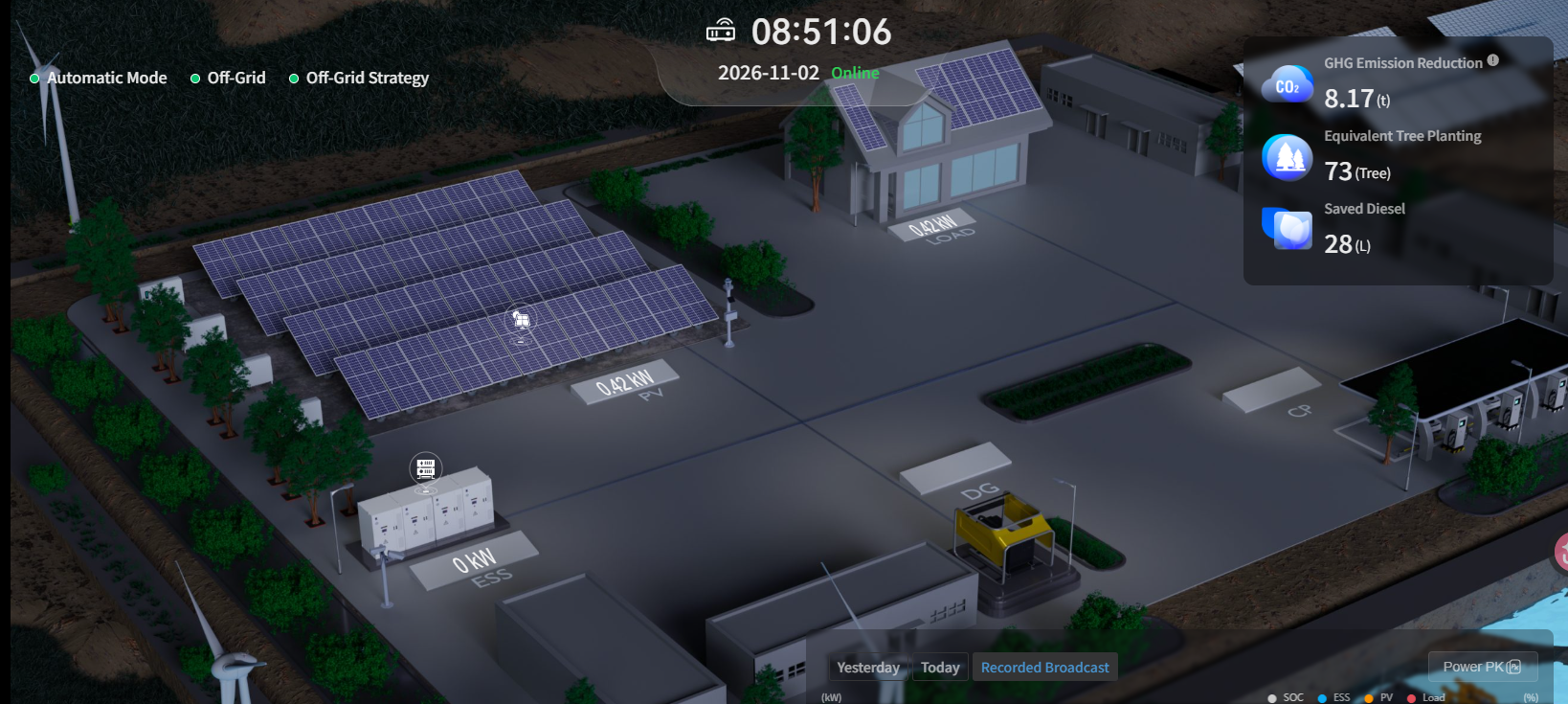
There is no single energy solution that works for every project.
A commercial facility connected to a stable grid has different priorities from a factory experiencing frequent power outages. A remote mining site or island with limited grid access requires a completely different operating strategy.
This is why microgrid design must be scenario-oriented.
Depending on local grid conditions, power reliability requirements and available energy resources, a system may operate in different modes:
For locations with a relatively stable utility grid, the focus may be on improving solar self-consumption, reducing electricity costs and optimizing energy use.
For sites experiencing grid fluctuations or outages, the system must balance normal grid-connected operation with the ability to support critical loads when grid conditions change.
For remote locations without reliable utility access, PV, energy storage and backup generation must work together to maintain autonomous power supply.
The important point is not simply which equipment is installed.
It is how the entire system is configured and controlled for the specific operating scenario.
Connecting different energy assets is only the first step.
A system becomes truly intelligent when it can understand what is happening across the entire energy ecosystem and respond accordingly.
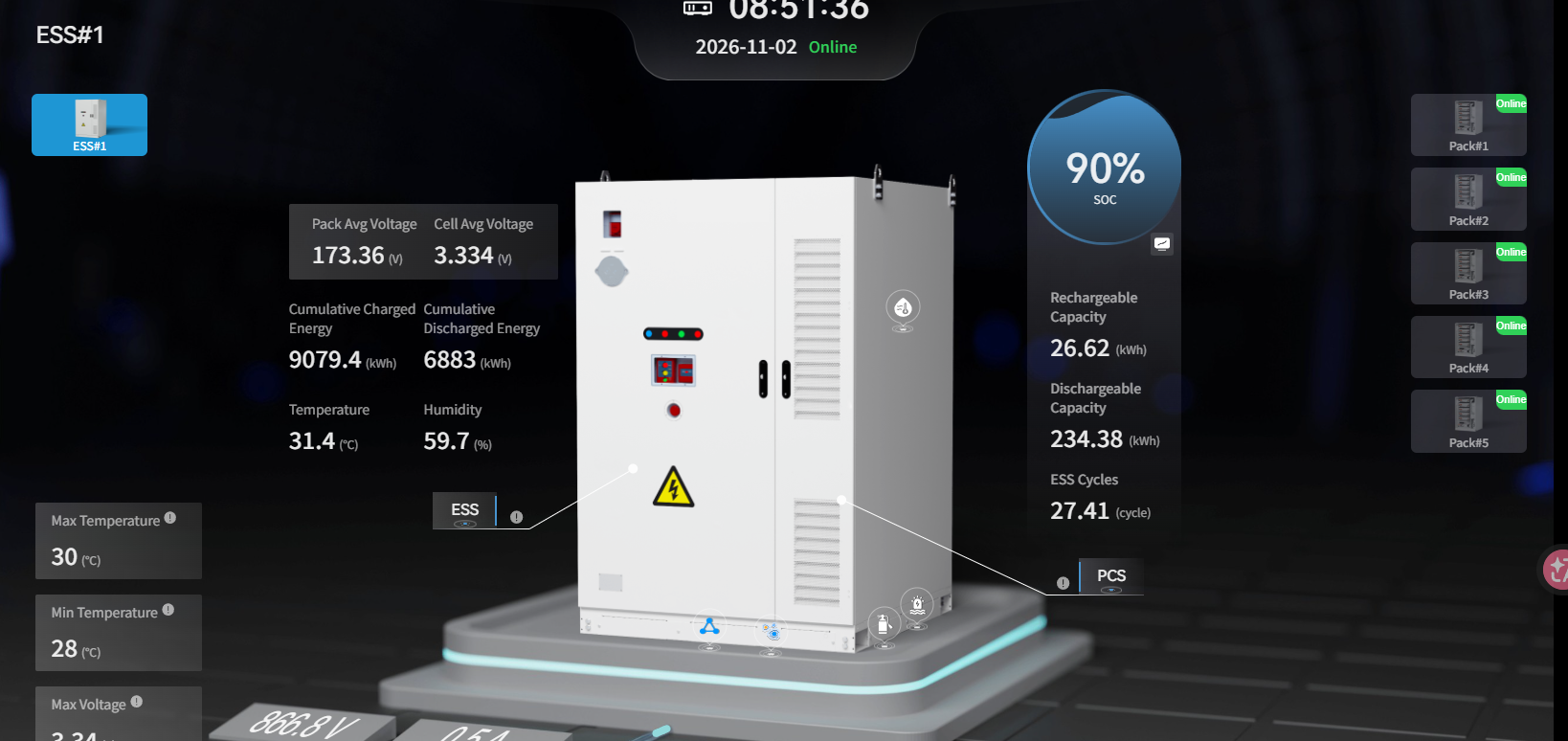
This requires continuous visibility into equipment status and operating conditions.
Energy management platforms can provide real-time information on parameters such as:
Battery state of charge
Voltage and temperature
Charging and discharging status
Equipment operating conditions
Solar generation
Load demand
System power flow
With this level of visibility, energy assets can be monitored as part of a connected system rather than as isolated devices.
The next step is coordination.
A well-designed intelligent microgrid combines centralized planning with real-time local execution. Higher-level strategies can optimize the overall system, while local controllers respond quickly to changing operating conditions.
This makes energy management more flexible, particularly when dealing with fluctuating solar generation, changing loads or unstable grid conditions.
The value is not simply in monitoring data.
It is in using that information to support better energy decisions.
The long-term performance of a microgrid depends not only on how energy flows through the system, but also on the condition of the assets themselves.
For energy storage systems, simply knowing the State of Charge is not enough.
Long-term operation also requires visibility into the health and condition of the battery system.
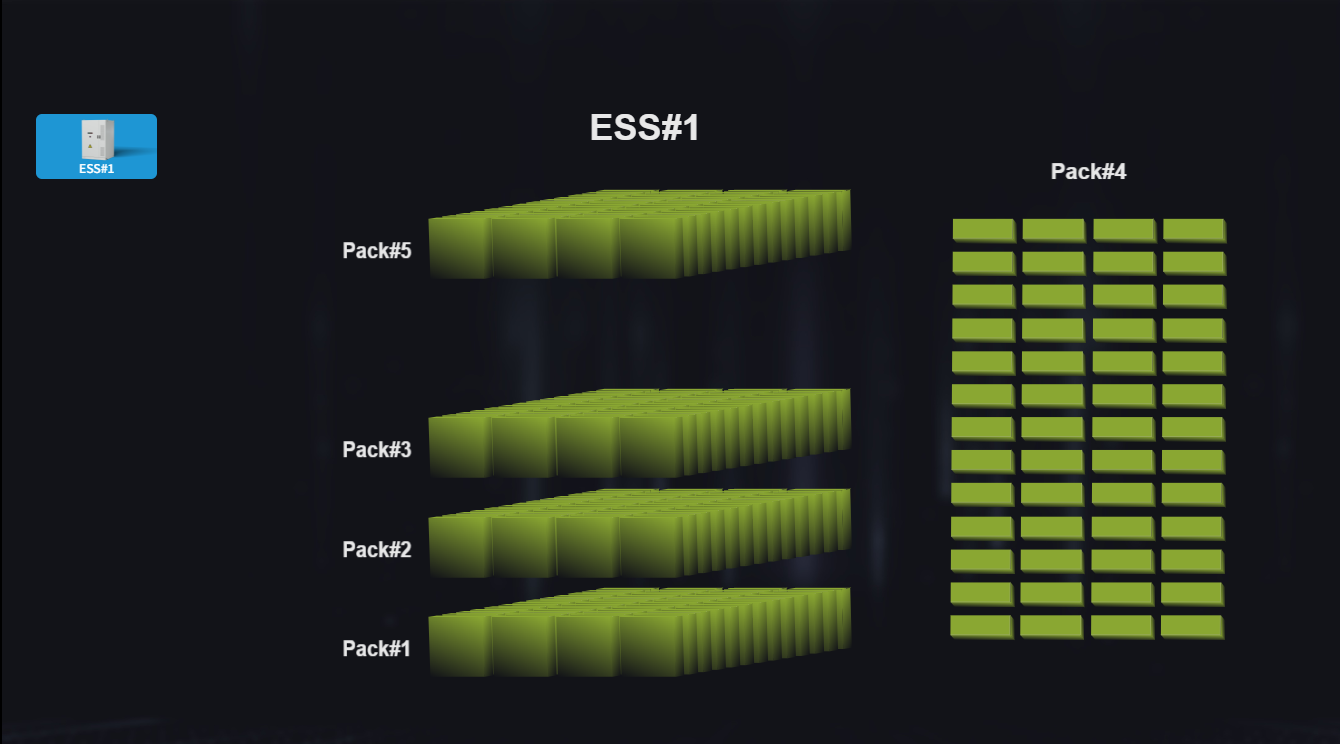
This may include information such as:
Pack operating status
Cell-level conditions
Temperature distribution
State of Health
Equivalent cycle times
Remaining life indicators
Potential abnormal trends
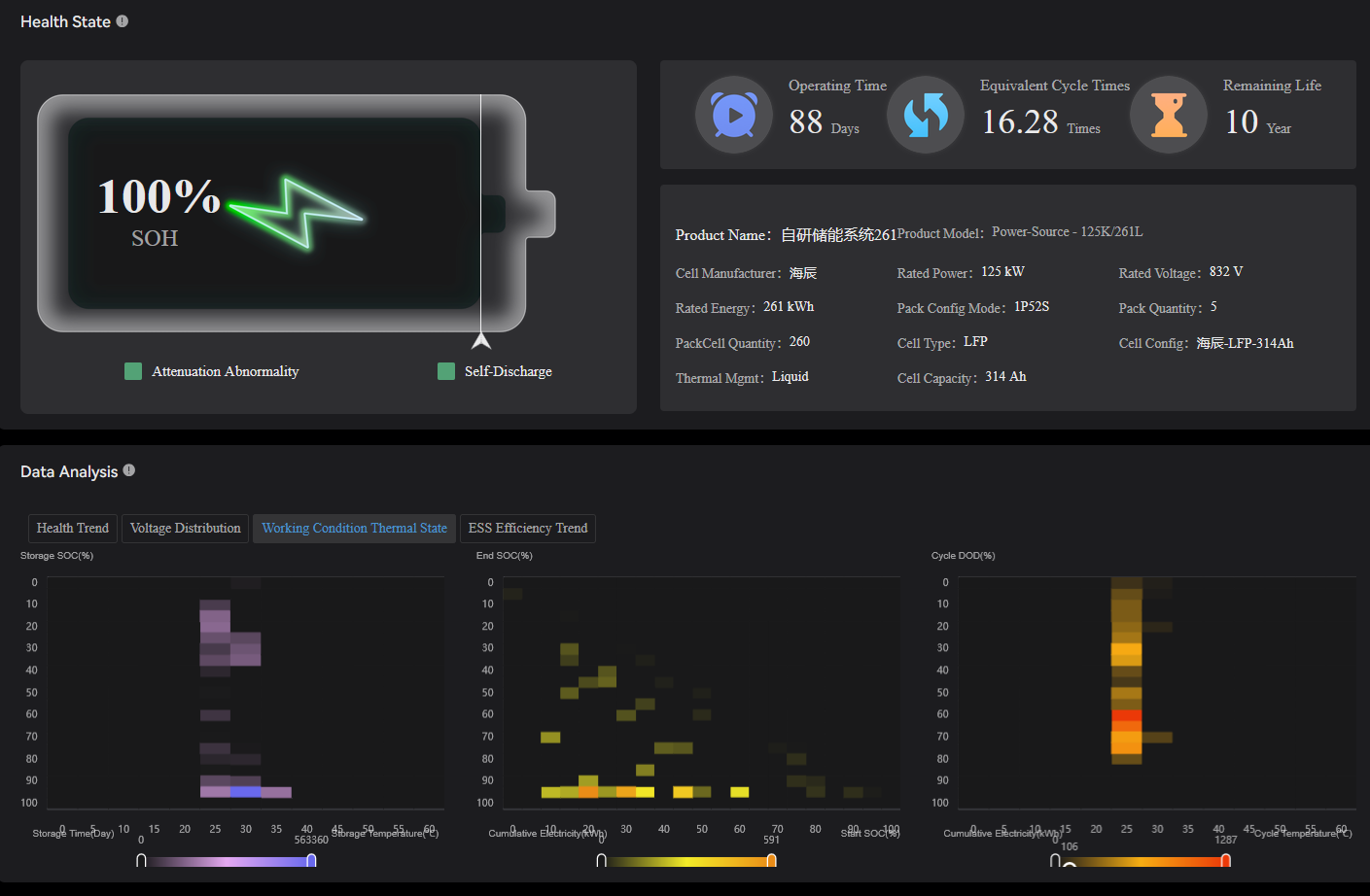
This deeper level of monitoring supports a shift from basic equipment supervision toward more refined asset management.
The objective is not only to identify what is happening now.
It is also to better understand how the asset is performing over time.
For long-life energy infrastructure, this becomes increasingly important.
A storage system may be delivered as hardware, but its value is ultimately determined by how safely, reliably and efficiently it performs throughout its operating life.
The future of energy management is moving beyond isolated monitoring.
PV generation, energy storage, loads and other energy sources increasingly need to be viewed as part of one coordinated operating system.
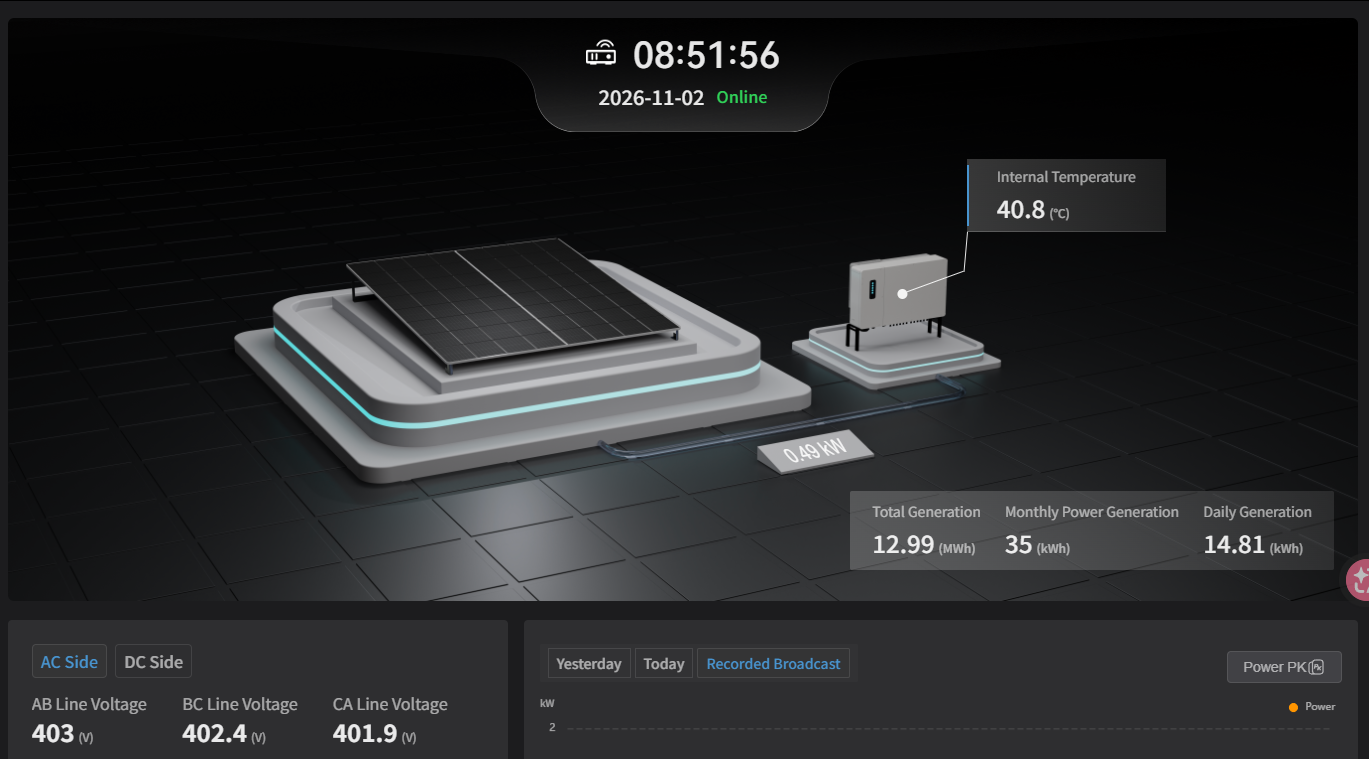
When these assets are digitally connected, operators can gain a clearer picture of:
Where energy is being generated
Where energy is being consumed
How the storage system is operating
How different sources are contributing to the overall power supply
This creates the foundation for more intelligent dispatch strategies.
The goal is not simply to generate more electricity or install more storage capacity.
It is to make better use of available energy resources.
For energy storage projects, long-term value depends on more than factory specifications.
Reliable components and standardized quality control provide the foundation.
But long-term performance also depends on system integration, intelligent control, safety management, monitoring and continuous operational optimization.
This is why the future of energy storage is increasingly moving toward an integrated approach:
Reliable Hardware + Scenario-Oriented Solutions + Intelligent Operation
Each element plays a different role.
Reliable hardware provides the foundation for safe and stable operation.
Scenario-oriented solutions ensure that the system is designed around real energy requirements.
Intelligent operation helps the system continue to adapt throughout its lifecycle.
From this perspective, the competitiveness of an energy storage project cannot be measured only by the specifications of a battery cabinet.
It should also be measured by how effectively the entire energy system works together over time.
The energy industry is moving toward a more connected and intelligent future.
Solar PV, energy storage, diesel generation, utility grids and loads will increasingly need to operate as coordinated parts of a larger system.
Different markets will continue to have different energy challenges.
But one trend is becoming increasingly clear:
The future of energy is not simply about generating more power or installing more storage.
It is about connecting energy assets more effectively, understanding system conditions more clearly and making energy decisions more intelligently.
For TITAN SMART ENERGY, this shift continues to shape how we think about solar-storage and intelligent microgrid solutions.
The goal is not simply to provide individual pieces of equipment.
It is to build energy systems that can adapt to different scenarios, coordinate multiple energy sources and create sustainable value throughout their operating lifecycle.
The future of energy storage is integrated.
The future of energy management is intelligent.
And the real value lies in how the entire system works together.


